Parents [Part 2 - Hurt, A Three-Part Series]
Some hurt doesn’t announce itself. It settles quietly — in our bodies, in our memories, in the spaces where we once felt safe.
Hurt – Parents
The second of a three-part series of articles that explores the various aspects of the word “Hurt” and how it impacts the delicate balance of life and relationships
*This content may include readings, media, and discussion around topics such as depictions of grief and loss, domestic violence, stalking, physical violence, and mental instability. Proceed only if you are comfortable with potentially sensitive topics.
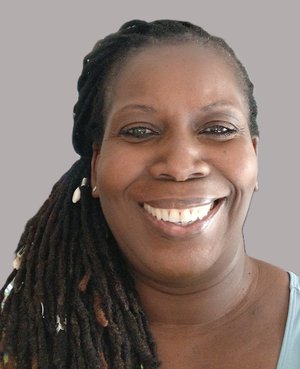
By S. E. Walker
The level of hurt one feels is often dictated by its source. A person can be hurt by a colleague or a casual friend and recover relatively quickly. But when the source of that hurt is someone you love and cherish, it is far more difficult to overcome. When the pain comes repeatedly, it may feel impossible to heal.
What happens when the source of that hurt is your child?
As parents, we understand that our role is to love our children unconditionally — to keep them safe, guide them, and help them grow into decent human beings. As they become adults, we continue to support them through life’s twists, turns, and unavoidable setbacks, often at the expense of our own well-being. We do this not only because it is our duty, but because we love them. We work tirelessly to protect them from pain. So what happens when they grow into adulthood and become the very source of the hurt we tried so hard to prevent?
They Served Our Country Well —
A retired veteran began having health issues. As their condition worsened, the doctor's visits increased as they tried to figure out what was happening. The more they hurt physically, the more they drank. Their condition began to worsen, and their family blamed it on the alcohol, so they stopped drinking. Their behavior became increasingly erratic; they began to lose control of their motor skills and experienced sudden outbursts of unintelligible speech. Because the veteran had a history of drinking, their children decided the occurrences were a result of alcohol withdrawal. One day, their behavior became so erratic that the children called the paramedics. When help arrived, the children told the paramedics that they believed the condition was a result of withdrawal, so the veteran still received no help. The issues continued intermittently for over a month. Even though the erratic movements would sometimes last for hours, they never hurt anyone or themselves. The constant movement and yelping would leave the veteran exhausted, plunging them into depression.
As the issues became more frequent, the children began to threaten to put the veteran in a mental health facility. The children even went so far as to contact the authorities to determine what steps were required to obtain conservatorship of the veteran. Not once did the children offer to escort the veteran to a doctor or research what might be causing the symptoms. Instead, the children sought to take control of the veterans' freedom and finances. Finally, after two months in this horrendous state, the veteran was out of town visiting her sister. Growing weaker and weaker from the exhaustion and frustration of the situation, they fell unconscious while walking through the living room. They were rushed to the hospital and immediately admitted. It turned out that the veteran was suffering from a lack of oxygen to the brain caused by long-term blood loss. Can you imagine the hurt they felt?
This decorated veteran, who fought for our country for over 20 years, made it through both the Gulf and Afghanistan Wars, was given honors and awards of the highest caliber, and finally retired in the hopes of being able to enjoy the well-earned fruits of their labor, only to be betrayed by the people they love the most. Thank God they are doing very well now. Doing the best they can to stay healthy. They still do everything they can for their children.
Hard Working Family –
A husband-and-wife team and parents to three children were like a dynamic duo. The dutiful father, a former police officer who retired as a sanitation worker, and the doting wife, who ensured her home was well-kept and her family's needs were met, were well into their sixties. As they get close to retirement, their only son turns to drugs and begins to steal from them every time he visits. He gets help and falls off the wagon multiple times. The parents are now in their seventies; the mother has severe diabetes, and the father is showing early signs of dementia. The oldest daughter moves away after marrying into a wealthy family. The youngest is a female who visits often and takes steps to make sure her parents are well. The youngest gets a call from the police requesting her to come to the parents' home, advising her that the mother is being transported to the hospital. Upon arrival, she noticed her brother in the back seat of the police car.
When she enters the home, she finds her father sitting on the couch with visible marks and bruising on his face. The daughter is told that the brother attacked the mom, and the father was beaten while protecting the mom. Time passed, and the daughter continued to monitor the situation, confident that her parents had followed the recommendations to have the brother detained and restrained from contacting them. She receives a call from her mom. When she answers, the mom is inaudible, rambling, and unable to express herself. She rushes over to find the mother on the floor, and the father is once again beaten. The brother was still there and admitted to assaulting the father. He also explained that the mother had not taken her diabetes medication, which is why she was babbling and on the floor. He had taken the medication away from her and was waiting for her to die. These were his words. Ultimately, the parents were placed in protective care, where they remained until they passed away. Through it all, the parents believed they could help their child. They thought he would eventually receive treatment and become a better person. They never pressed charges, and the mother never stopped asking for her son to be allowed to visit her. These horrible things occurred not because they were awful parents but because their child chose to develop a habit that ultimately killed him. He was found deceased in an abandoned building shortly after his mother passed away.
Of course, some people have children who probably should not have been parents. Parents who do unimaginable harm to the young lives they should be protecting. These are not the parents I’m talking about. In both instances, these two-parent homes were active in their children's lives. These were not neglectful or abusive parents. These were parents who did the best they could — and still suffered profound hurt at the hands of their adult children.
Lately, we have seen it time and time again: parents being held accountable for the wrongdoing of their adult children. Perhaps not monetarily, but they have had their reputations demolished or even lost their jobs because of their offspring's actions.
As parents, we do everything we can to raise our children with love, guidance, and hope. But eventually, they grow up. They become adults and make their own choices — choices that can bring joy, pride, and fulfillment or cause profound pain. As parents age, they often find themselves relying on the very people they once protected. We hope to be loved in return the way we loved them. Too often, that hope goes unanswered, leaving parents to reconcile love with painful reality.
When hurt comes not from strangers or circumstance, but from within the family itself, it challenges everything we believe about love, responsibility, and forgiveness.
In Part 3, we will explore what happens when hurt lingers — how it shapes identity, boundaries, and the difficult work of choosing what healing looks like when reconciliation may not be possible.
*While actual events inspire this story, specific names and identifying details have been changed to protect privacy. I do not consider myself a mental health expert or professional, nor should anything I write be taken as professional mental health advice.
National grief support organizations: National Alliance for Children's Grief (NACG); The Compassionate Friends; GriefShare
National Support for Domestic Violence
National Support for Elder Abuse